
Playground Project Comes to Life:
A New Space for Play, Community, and Memories
 By Tanner Mews
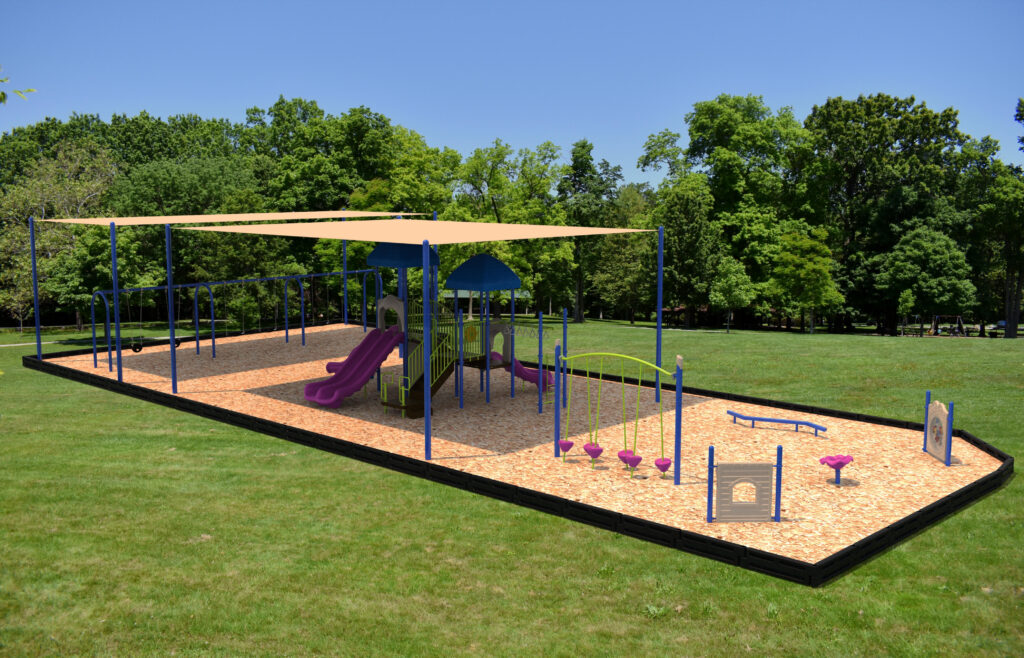
We’re excited to share great progress on our community playground renovation! This project has been in the works since late 2025, and after a few unexpected detours, we are finally close to seeing the new playground come to life.
Why We Started
The old equipment had become outdated and raised safety concerns, while the surrounding area struggled with frequent flooding after heavy storms. We knew it was time for a complete refresh, both above and below the ground.
Fixing the Drainage First
Before installing new equipment, we made the smart choice to address the flooding problem. Sunshine Land Management completed the drainage work in early May, which included:
- Upgrading the stormwater system
- Installing nearly 400 feet of new drains to redirect water to our retention ponds
- Clearing vegetation around the ponds for easier maintenance
Now the playground area is dry, safe, and ready for its next chapter.
 Choosing the Best Surfacing
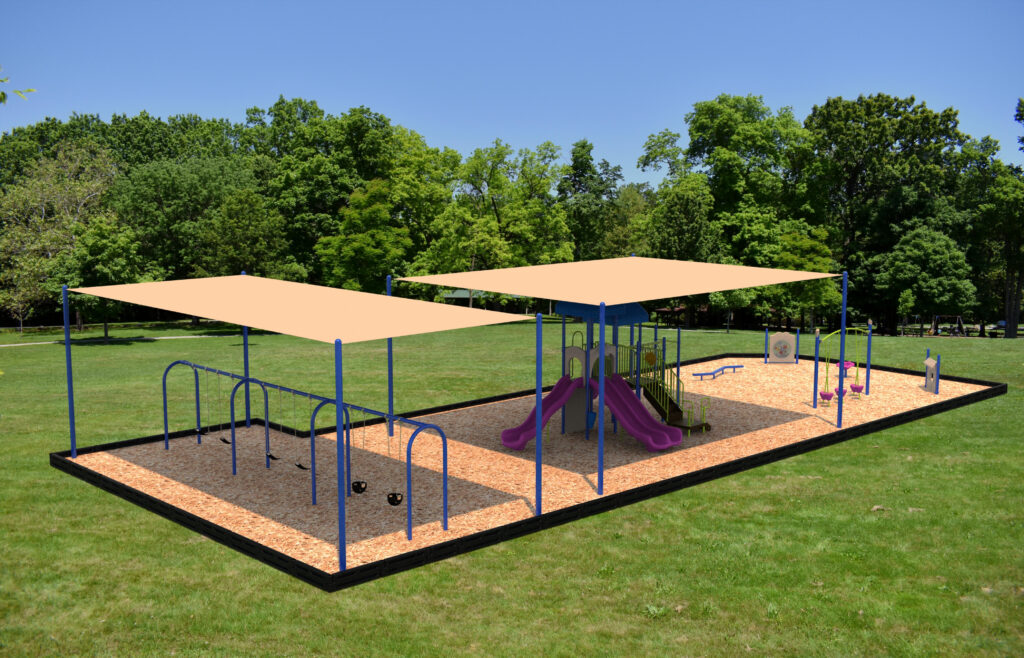
The Board recently reviewed two options: poured-in-place rubber (PIP) and traditional mulch. It chose PIP surfacing. Why?
- Long-term savings: Lower maintenance and repair costs over 15 years
- Better safety: Consistent impact absorption for active play
- Great looks: A clean, vibrant finish that enhances our community
What’s Next?
We’re currently waiting for the new equipment to be built and shipped. Once it arrives, installation will begin, followed by the PIP surfacing. We remain on schedule and expect the playground to be ready for fun by the end of November. Stay tuned for details on our grand opening celebration.
A big thank you to the residents who volunteered their time and ideas. Special appreciation goes to Leigh DeBord, Jamie Vega, and Lauren Curlew for their valuable input. We’re also grateful to our in-house staff for all their hard work behind the scenes.
We know the wait isn’t easy, but we’re confident the new playground will be worth every moment. We can’t wait to see our families and children enjoying this beautiful space for years to come!
John Dick Returns to Serve on the Board in an Interim Role
By Jeannette Rivera-Lyles
There have been some recent changes on the North Shore HOA Board. In August, Board members Greg Mathison and Kurt Kuhl were voted off the Board by a majority vote of the Board, a recourse that is authorized in the community’s bylaws.
To fill the vacancy, long-time resident John Dick has agreed to return to the Board on an interim basis. John previously served as an elected Board member for five years, starting in 2016.
When asked what prompted him to step back into the role, John said: “I love North Shore. We have a great neighborhood, and I want to do my part to keep things running smoothly until we can have an election.”
John has called North Shore home for 13 years, where he lives with his wife and is frequently visited by his children, grandchildren, and great-grandchildren. A retired AT&T executive, he also enjoyed a successful career in commercial real estate.
An avid golfer, John can often be found on the green at least twice a week, and the golf course was indeed one of the things that first drew him to North Shore. But it wasn’t the only one. “This is a great neighborhood,” he said. “Even though Lake Nona is growing quickly, we have easy access to 417 without having to deal with Narcoossee,” he said.
As he settles back into his Board duties, John has a clear hope for the community: to see the dissent cease.
“We have so many reasons to be happy and proud about our community,” he shared. “We have one of the lowest HOA fees among comparable communities, great amenities, strong reserves, a good administration team, and a Board that keeps things moving smoothly. We need to come together and leave dissent behind,” John said.
County Officials Address Kirby Smith Rd. Traffic Delineators Decision
 By Jeannette Rivera-Lyles
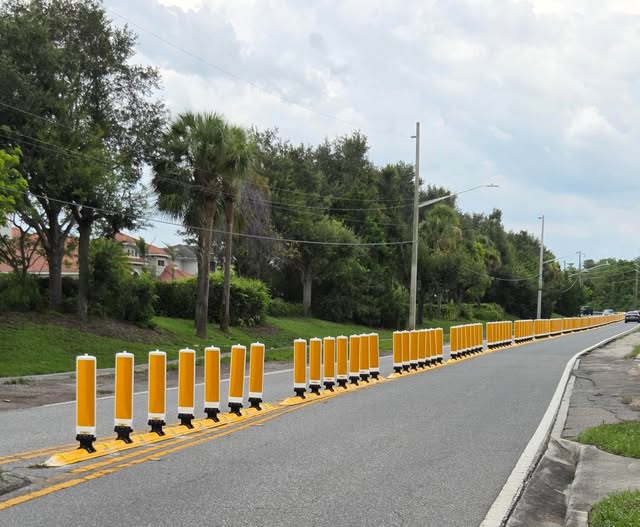
The recent decision by Orange County to install traffic delineators on Kirby Smith Rd. rather than the installation of a roundabout many residents had hoped for, has sparked significant discussion throughout our community. While the county’s goal is to regulate traffic flow and improve safety, the chosen solution has left many homeowners frustrated, with common complaints citing the unsightly appearance of the delineators and questions about their overall effectiveness.
To get clarity on how this decision was reached and why alternative options were set aside, we reached out to County Commissioner Maribel Cordero-Gomez, who represents our district. Commissioner Cordero-Gomez kindly brought County Engineer Yougens Pierre into the conversation to help address the technical aspects of the plan. Here is what they had to say.
Q: Previous community meetings included presentations from county public works officials, with studies showing the roundabout as the preferred traffic-calming measure for Kirby Smith Road. Many residents took this as a sign that the roundabout would move forward. What prompted the county to reconsider? Was cost a deciding factor?
A: “During the design process, the County performed community outreach and encountered several concerns about the roundabout from the community. The County did a re-evaluation of the intersection and determined that the speeding countermeasures installed were working, and that the number and type of crashes were limited. There were no crashes with serious injuries or fatalities that occurred during the re-evaluation period. In addition, the traffic volumes have been stable, and the intersection is currently operating sufficiently in the current configuration. Therefore, it was decided to continue monitoring the intersection to determine, in the future, whether the roundabout will still be a viable option. Cost was also one of the determining factors for postponing the project since additional property was needed from the North Shore HOA.”
Q: Traffic delineators have now been installed, but feedback from HOA meetings and social media has been overwhelmingly negative. Residents find them unsightly and question their cost-effectiveness, with concerns that large trucks making sharp turns could easily knock them loose. Are these delineators meant to be permanent, or is there a longer-term plan for this stretch of road?
A: “The Traffic delineators were installed to prevent the dangerous U-turns happening at that stretch of Kirby Smith Road. These improvements will be observed over a prolonged period to study its effectiveness. Permanent improvements will be coordinated with future Kirby Smith Road resurfacing. The delineators are bolted to the pavement and should not be easily dislodged by a large truck, based on observed performance at other locations throughout the County.”
Q: Is there anything else you would like to add?
A: “The County will continue to work with the NSLH HOA and residents of the Lake Whippoorwill Rural Settlement to address safety concerns along the Kirby Smith Road corridor. Our efforts have always been aligned with the needs of the local community, and we will continue to be proactive and work cooperatively with the community to ensure its transportation needs are addressed.”
Community Legal Update
By Laurie Bihajlo
We know many residents have questions about the various lawsuits involving the Association and, in some instances, individual Directors. We also recognize that it can be difficult to know what information to rely on when discussions about pending legal matters take place on social media or through word of mouth.
Because court cases can change as they move through the legal process, the best source for current information about a particular case is the official public record maintained by the Orange County Clerk of Courts.
Rather than attempting to summarize the details or status of individual cases in this newsletter, we encourage residents who would like additional information to review the public court records directly.
How to Find Association Court Records:
Residents can access Orange County court records through the Orange County Clerk of Courts Records Search: myeclerk.myorangeclerk.com
To search for cases involving the Association:
- Select the “Search” tab.
- Choose “Case Records.”
- On the “Search Criteria” screen, enter North Shore at Lake Hart in the “Business Name” field.
- Complete the “I’m not a robot” verification.
- Select the blue “Search” button.
To review the public records for the open case involving an Association Director, instead of entering North Shore at Lake Hart in the “Business Name” field, you may instead enter 2025-CA-010029-O in the “Case Number” field and follow the same steps.
Search results and case information are provided through the Clerk of Courts’ public-record system and may be updated as proceedings continue.
If you need assistance navigating the Clerk of Courts website or locating a public record, the management office can assist with the basic search process.
Compliance Corner:
What Homeowners Should Know This Fall
 By Eve Liberus
As we settle into fall, we want to take a moment to share some helpful updates and reminders about community compliance. These guidelines are here to help keep North Shore at Lake Hart looking its best protecting not only the beauty of our neighborhood but also the value of our homes.
Our governing documents ask that homeowners maintain their properties, including homes, lots, and landscaping in good repair and attractive condition. Routine inspections help us catch small issues early, give homeowners time to address them, and keep our community looking great for everyone.
Just a quick reminder: landscape maintenance includes irrigation, fertilizing, weeding, mowing, trimming, treating for insects and disease, and replacing dead or damaged plants as needed.
Where We Are Now
We’re wrapping up inspections for:
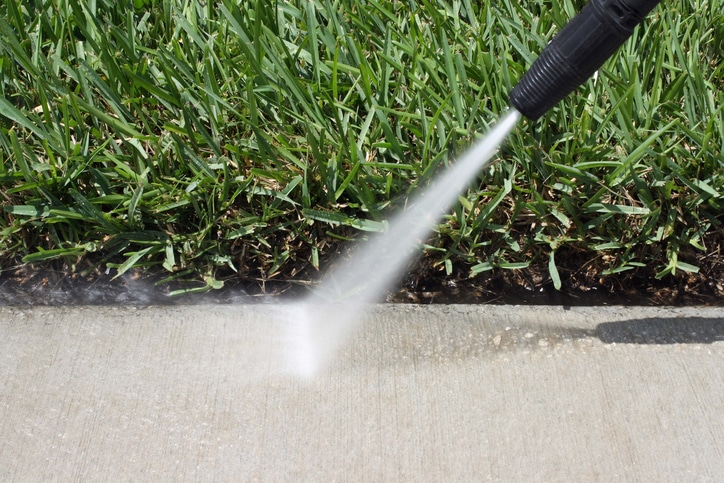
- Driveway and sidewalk pressure-cleaning
- Tree branches extending over community streets
We’ve also completed the first round of palm tree inspections, with a second round coming up. If you have palms on your property, now’s a great time to remove any dead or declining fronds before the next inspection.
What’s Coming Up Next
This fall, we’ll be focusing extra attention on lawns, turf, weeds, hedges, shrubs, and overall landscape maintenance. Here’s what to keep an eye on:
- Lawns and turf – Regular mowing, edging, and irrigation go a long way. Healthy, attractive grass is the goal.
- Weeds – We’ll be checking lawns, plant beds, driveways, sidewalks, and other visible areas.
- Plant beds – Keep them tidy and free of excessive weeds and overgrowth.
- Resodding – If you have missing, dead, or badly deteriorated turf, it may be time to repair or resod.
- Brown or declining turf – Address brown spots with proper watering, treatment, or replacement.
- Hedges and shrubs – Regular trimming keeps them neat and healthy. Remove any dead, damaged, or diseased growth.
- Trees – We’ll continue tree-clearance inspections, with the next phase focusing on branches over sidewalks.
- Palms – A second round of inspections is on the way, so stay ahead by tidying up those fronds.
Take a Quick Look Around Your Property
Before our next inspection cycle, we encourage you to review:
- Lawns and turf
- Weeds in grass, beds, driveways, and sidewalks
- Brown, declining, or missing turf
- Hedges and shrubs
- Tree clearance over streets and sidewalks
- Dead or declining trees and landscaping
- Palms and dead fronds
- Driveways and sidewalks
Taking care of these items now can help you avoid compliance actions later and keeps our neighborhood beautiful for everyone.
Big Projects, Big Plans
What’s Coming to Our Community
By Tanner Mews
We have three major reserve projects in the works: street repaving and sealing, playground upgrade, and neighborhood entrance improvements. While you may not see construction just yet, a lot of important planning is happening behind the scenes. Here’s where each project stands.
Street Repaving and Sealing:
This is our biggest and most complex project right now. Before any asphalt is laid, we’re coordinating with engineers, preparing bidding documents, and specifying the right materials—all to make sure we get it right.
Timing update: Based on our engineer’s advice, we’ve moved the timeline back. Fall or winter is ideal for asphalt work, since drier conditions help the new surface settle and cure properly.
Which streets? The engineer recommended not repaving all of the neighborhoods at once. Instead, we’re focusing on the two neighborhoods where the streets are in worst condition, Marsh Pine and Myrtle/Autumn Creek, while sealcoating streets in the other six neighborhoods on a three-year cycle beginning this fall or winter. This approach addresses the most urgent needs, extends the life of other streets, and keeps costs manageable.
We’re currently drafting a formal Request for Proposal to send to several recommended paving companies. We’ll share more details about scheduling and traffic impacts as we get closer.
Playground Upgrade:
Planning continues to move forward. Please see the story we have fully dedicated to this topic in this newsletter.
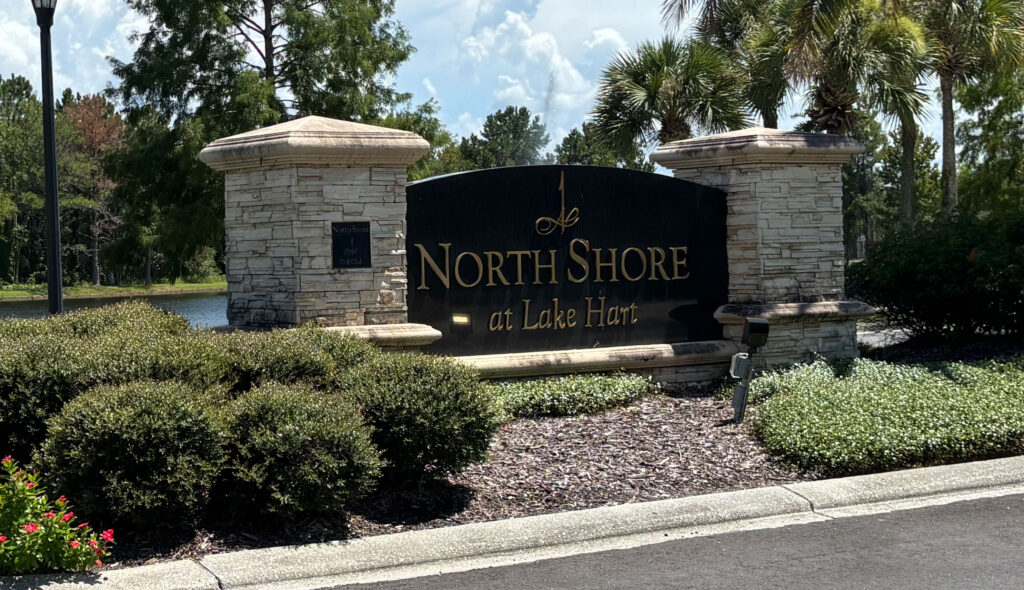 Neighborhood Entrance Improvements
We’re revisiting a project that was first discussed back in 2020. We’ve asked two masonry contractors to provide pricing and renderings for two design options:
- Refresh the current style – Stone veneer with granite signs and gold lettering.
- Switch to brick – Similar to Sparrow Landing, with new granite signs and lettering.
Why now? Many of the existing monuments have structural issues such as missing stones, falling veneers, and ongoing maintenance headaches. Fixing them properly will not only improve curb appeal (they’re the first thing people see!) but also reduce future repairs.
What’s Next
Future reserve projects include repaving the Community Center parking lot and the observation deck and dog park parking lot, plus sidewalk and curb repairs.
We know it’s a lot to juggle, and we appreciate your patience as we work through the planning, engineering, and bidding steps. Even when progress isn’t visible, rest assured there’s a lot of work going on behind the scene and we are making sure every dollar is spent wisely.
We’ll keep you posted as each project moves closer to reality. Thanks for being part of our community!
Understanding Our Community’s Insurance Appraisal, Engineering Study and Reserve Fund Study
By Laurie Bihajlo
As your Community Association Manager, I have been spending considerable time meeting with our vendors and reviewing our Association’s insurance appraisal,engineering report, current insurance coverage, and reserve fund information. The goal is to make sure we have accurate information about our community’s assets, understand how they are protected, and plan appropriately for their future maintenance and replacement. Good planning today can help the Association make informed decisions, avoid surprises, and better understand future financial needs.
With 1,049 homes, over 7 miles of streets, 14 miles of sidewalks, 15 ponds, 8 neighborhoods with 9 entry/exit systems and hundreds of acres of HOA-owned land in our community, this is a significant and time-consuming responsibility.
What Is an Insurance Appraisal?
An insurance appraisal is intended to help determine how much it could cost to rebuild or replace covered property. Having an accurate replacement-cost figure is important because the Association wants coverage to be appropriate for the property it is insuring.
What Is an Engineering Report?
Our engineering report serves a different purpose. It is an evaluation of the Association’s physical assets, including our ponds and pond structures, streets, and pavement-related needs such as paving and resealing.
The engineering evaluation helps us understand the physical condition and expected maintenance or replacement needs of these assets. While an insurance appraisal looks primarily at the cost to replace property after a covered loss, an engineering evaluation helps us understand the condition and anticipated future needs of the assets.
Why Are We Comparing These Reports?
One of the most important parts of this process has been making sure that the information in our various reports and financial records is consistent.
We are working toward bringing together:
- The property identified in our insurance appraisal
- The assets evaluated through our engineering report
- Our current insurance coverage
- Our existing reserve funds
- The anticipated future maintenance and replacement needs of the community
As part of this review, we identified some areas where our current insurance limits appeared to be higher or lower than the amounts indicated by the appraisal. These differences are being reviewed so that we can better understand our coverage and make appropriate adjustments where necessary.
This does not mean that there is an immediate problem. Rather, it is exactly why periodic review is important. Property changes, construction costs, maintenance history, and community needs can all change over time.
How Does This Relate to Our Reserves?
Reserves are funds set aside to help pay for significant future expenses, such as major repairs, maintenance, or replacement of community assets.
Our goal is to use the information we are gathering now to prepare for a more comprehensive reserve study next year.
A reserve study will help us look at the expected useful life of major community assets, anticipated future costs, and how much money should be set aside over time to prepare for those expenses.
The work being done now is essentially helping us make sure we are starting with good, accurate information.
Why Does All of This Matter?
Insurance, engineering information, and reserves each serve a different purpose, but they are all pieces of the same larger picture. Insurance helps protect the Association from covered losses. Engineering information helps us understand the condition and future needs of physical assets. Reserves help us financially prepare for major future expenses. By reviewing these areas together, we can make better-informed decisions about the community’s finances and physical infrastructure.
My goal in undertaking this review is to develop a clearer picture of what the Association owns, what it costs to protect, what condition it is in, and what we may need to plan for in the future. With a community of 1,049 homes, careful planning is important. The work we are doing now will help provide the Board and our residents with better information as we plan for the long-term financial health and maintenance of our community. I will continue to keep the community informed as this process moves forward.
Landscaping & Community Appearance Update
 By Tanner Mews
We want to be upfront: our common areas haven’t looked their best lately. Between personnel and management changes in the company providing our landscaping services, there have been gaps in service and getting back on track has taken longer than we hoped. While there’s still work to do, we’re happy to share that real progress is finally happening.
After several meetings and lots of trial and error, Landscape Workshop has promised to bring in more help to meet the specific needs of our community. We’ll be watching closely, and if we don’t see clear improvement soon, rest assured we will start exploring other landscaping companies. In the meantime, our in-house staff is out weekly, inspecting every area and flagging issues so nothing gets overlooked.
What’s already looking better:
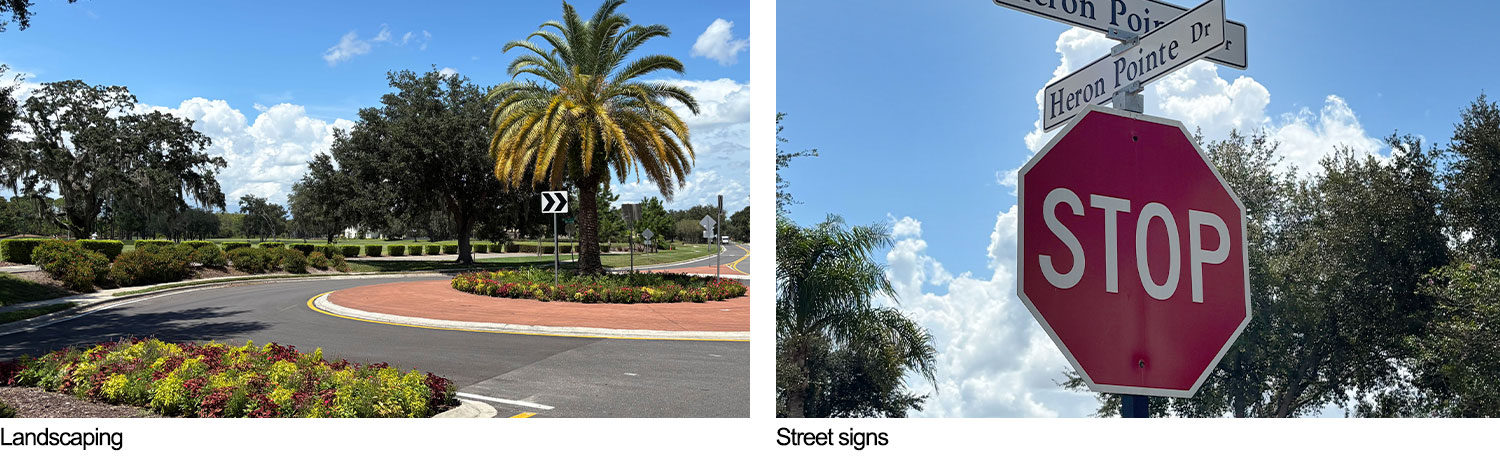
- Fresh flowers now brighten the entrances, clubhouse, and roundabout. The roundabout alone got 150 new deer-resistant plants (Society Garlic and Lantanas) after damage from wildlife and bugs.
- New mulch is going in around the clubhouse for a cleaner look.
- Invasive moss is being removed from crape myrtles along the boulevard to help them bloom better.
- Tree branches along sidewalks are being trimmed to 10 feet high, making walks safer and storm cleanup easier.
- New street signs are up throughout the neighborhood, brighter at night and sharper during the day. This is another project that is being handled in house. Next up: straightening and fixing the sign poles.
We know there’s more to do, but we’re steadily moving forward. Every project, big or small, adds up to a community we can all be proud of.
Thank you for your patience and support. We’ll keep you posted as we continue making improvements you can see and enjoy!
Understanding Our HOA Funds,
A Simple Guide to How They Are Managed
By Sarah Tombone
Our HOA has two main funds to keep our community running smoothly and looking its best: the Operating Fund and the Reserve Fund
Let’s break down what each one does.
- The Operating Fund (Covering Today’s Expenses): This is the one most of us are familiar with. Think of it as our community’s day-to-day checking account. It covers items that happen within a single year, such as:
- Income and payroll
- Vendor contracts
- Regular maintenance and repairs
The Operating Fund is carefully tracked across 200 general ledger accounts to make sure everything stays on course. Each year, we provide a copy of the proposed budget to all homeowners and host a Board Budget Meeting to review and discuss it. The Board then considers any amendments or adjustments before voting to approve the final budget. Once approved, we let everyone know the new assessment rates for the upcoming year.
- The Reserve Fund (Planning for the Future): The Reserve Fund is all about long-term planning. It helps us prepare for major future expenses—like replacing roofs, repaving streets, or updating playground equipment—so we’re not caught off guard when big repairs are needed.
To make sure we’re on the right track, we work with an independent third-party expert called to perform a Reserve Study, which:
- Estimates when our major assets will need replacement
- Calculates how much those replacements will cost
- Determines how much we should set aside each year to meet those future needs
This way, we spread predictable costs over time, avoiding sudden, large financial hits to the community.
The Reserve Fund is managed as a single account using the Pooling Method, which keeps things simple and efficient. Each year, we track progress on the projects listed in the Reserve Study. Occasionally, projects may be carried over or adjusted by a Board vote as needed. The study is updated every three years to reflect any changes in our assets or community plans.
Why This Matters to You
Both funds work together to keep North Shore at Lake Hart beautiful, safe, and financially healthy today and for years to come. The Operating Fund handles the here and now, while the Reserve Fund makes sure that we’re ready for tomorrow.
Announcements and Reminders:
Hedge Height Reminders
- Property-line hedges – May be kept up to 4-feet tall without extra approval. Taller hedges need written ARB approval in advance.
- Hedges along the home’s exterior – May go up to the roof trim.
Tree Clearance Guidelines
Please keep trees trimmed so branches don’t block pedestrian or vehicle traffic:
- Sidewalks – At least 8 feet of clearance.
- Streets – At least 14 feet of clearance.
That 14-foot rule is especially important for garbage trucks, emergency vehicles, and other large vehicles moving through the community. We’re finishing up street-clearance inspections now, and sidewalk inspections are next, so it’s a good time to check your trees